Tuesday, January 10, 2012

"A Plate for Everything"

Say good-bye to that confusing food pyramid! The USDA has just replaced the mind-boggling food pyramid with what they are calling the food "plate."


To answer what might be your first question, yes it really is as easy to use as it looks!


The food plate is very simple in design. You portion your meal according to the divisions for the five food groups represented on the food plate icon. The plate itself is divided into four colored sections, representing fruits, vegetables, grains, and protein. Therefore, half of your plate is reserved for fruits and vegetables, while the other half is devoted to grains and protein. The fifth group, the dairy products, are shown as a smaller circle in the upper right hand corner of the plate.


The American Medical Association (AMA) even commented on how the food plate, "...clearly presents what a healthy meal should look like and makes it easier for people to translate food group recommendations directly onto their plates. The clearer emphasis on portion size and quantity is particularly important for achieving and maintaining a healthy weight.”


For more information and tips, visit http://www.choosemyplate.gov/. You will find many techniques to get you on track to better health, including ways to enjoy food, eat less, make at least half of your grains whole grains, and monitor sodium in the foods you buy.


After years of pushing the food pyramid aside, this new food plate may finally make proper nutrition a realistic goal for us all!

Monday, January 9, 2012

Body Mass Index (BMI)


What is BMI?
An indirect measure of body fat calculated from a person's weight and height .

Formula: weight (lb) x 703
[height (in)]2

Example: Weight = 150 lbs,
Height = 5'5" (65")Calculation: [150 ÷ (65)2] x 703
= 24.96

What does it mean?
BMI Weight Status:
Below 18.5 Underweight
18.5 – 24.9 Normal
25.0 – 29.9 Overweight
30.0 and Above Obese


Wednesday, January 4, 2012

Wednesday Wellness Tip


If you enjoy having several snacks, fruits or nuts would be a good choice instead of potato chips or candy bars.

Sunday, January 1, 2012

Healthy Weight Loss for the New Year!

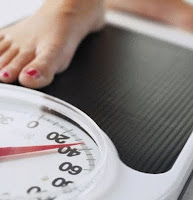
Put everything you’ve ever heard about weight loss behind. This year, you should have a new outlook on weight management and weight loss. Most weight loss resolutions fail because they lack thoughtful plans and preparations, which are necessary to change habits and behavior. Permanent weight loss requires changes in eating behavior and in physical activity. Bad habits must be broken and good habits have to be formed. There are no shortcuts.


Here are several tips to keeping your weight loss resolution for the New Year:


Be Active Every Day…
1. Have fun by doing it your way!
-Find activities that you enjoy whether it is dancing, swimming, hiking, biking, etc….

2. Start small, increase your activity over time
-Begin by taking a 10 minute walk then increase the pace and time you spend walking every day.


3. Do it with others
-Find an exercise buddy.
-Join a gym or fitness class.
-Exercise with your family
-Eat a balanced diet…
-Eat more fruits, vegetables, whole grains, low-fat milk products
-Limit your intake of saturated fats, trans fats, cholesterol, salt (sodium), and added sugars


4. Set realistic, motivating goals.


-A safe rate of weight loss over time is one to two pounds a week. Make sure your weight loss goal is not too ambitious or unsafe.Select a start date when you will be ready to commit to your action plan.
-Track your progress as you go.

For more tips on how you can acheive your weight loss goals visit http://www.diabetes.org/food-and-fitness/fitness/weight-loss/weight-loss-matters-tip.html


Tuesday, October 26, 2010

What To Do About Flu

It’s That Time Again!
Every fall doctors and nurses start to get after you to get your flu shot and every year people have lots of questions about the flu shot. What is it? Do I need it? Who shouldn’t get it?  What’s with the nasal vaccine? Should my kids get it? Can it hurt me? So here are some answers!

1. What is in the Flu Vaccine?
The flu vaccine is a medicine that is very similar to the flu virus itself.  When your body sees gets vaccinated your immune system learns how to fight off viruses that are like those in the vaccine. That way when you get exposed to the flu your body already knows how to handle it and you do not get sick.

2. What about the Swine Flu (H1N1)?
Every year people at the United States Center for Disease Control try to figure out which flu viruses will be the worst and most dangerous. Last year they left one out, the H1N1 swine flu. That is why last year there were 2 different flu shots. This year they included the H1N1 swine flu into the regular seasonal flu vaccine. There are also other strains of flu in this year’s vaccine.

3. What is the Nasal Flu Vaccine (FluMist)?
FluMist is actually a live flu that is changed so that it does not make you sick. It is a nose spray instead of a shot.  You must be over age 2 and younger than 49 to get this form of flu vaccine. However, some people should not get this form of vaccine. Kids with asthma, and people with poor immune systems and risk for complications from flu as well as people who have close contact with other people who have poor immune systems.

4. Who should get it?
Odds are you should get a flu vaccine.  The Center for Disease control includes more people every year in the group that should get vaccinated. Everyone who is over 6 months old who does not have a medical reason that they can’t get the vaccine should get it. People who are allergic to eggs can’t get the flu vaccine. Kids getting the flu vaccine for the first time need two doses!

5. But I got it LAST YEAR!
I know! You have to get it EVERY YEAR. The pesky thing about the flu is it changes every year and so your flu vaccine from last year isn’t protecting you anymore.

6. Should I get it if I am pregnant, breast-feeding or trying to get pregnant?
YES! It is super important to get the flu vaccine when you are pregnant. For reasons that we don’t understand pregnant women are very susceptible to getting very sick and even dying from the flu. It makes many women nervous to get vaccines if they are pregnant but, there is no evidence that the vaccine hurts the baby.

7. What happens if I don’t get it?
If you do not get vaccinated there is a higher risk of getting flu and of having complications from the flu. The flu can cause serious medical problems and death.

8. Are there risks associated with getting the flu vaccine?
There are risks to the flu vaccine. There is a rare neurological problem called Guillain-Barré syndrome, which about 1 in 100,000 people will get with the flu vaccine.

SO WHERE DO I GET IT?

There are flu shots all over, if you have a doctor, call your doctor to ask abour flu shots. You may also be able to get one at work or school. They have flu shots in grocery stores and pharmacies as well!


TAKE THE FLU QUIZ

Flu IQ


So go get your flu shot….
And Remember ….
The FLU ends with U!The FLU Ends with U. Learn more: www.flu.gov

For more information on the flu vaccine try:  http://flu.gov/


Picture:


Tuesday, October 5, 2010

Ta-tas 4 Life!!


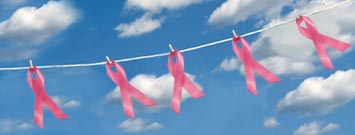
October is Breast Cancer Awareness month and many are gearing up to spread the word on breast cancer screening and treatment. Breast cancer is the fifth leading cause of death in women 40 years of age and above. However, all women, at any age, are at risk for breast cancer. Men too, but this is rare. According to the Centers for Disease Control and Prevention (CDC), in 2006 (the latest year for which statistics are available), 191,410 women were diagnosed with breast cancer, and 40,820 women died from the disease.

While more white women get breast cancer, more black women die from it. Unfortunately, breast cancer is the most common cancer in women of all combined major racial and ethnic groups in the United States.


When it comes to prevention, knowing is half the battle...but it's a start. To help lower your risk of getting breast cancer here are few tips:
  • Stay physically active by getting regular exercise.
  • Maintain a healthy weight.
  • Avoid using hormone replacement therapy (HRT), or find out the risks and benefits of HRT and if it is right for you.
  • Limit the amount of alcohol that you drink.
  • If you are 50+, get a mammogram. Check with your health professional if you have any symptoms or changes in your breast, or if breast cancer runs in your family. He or she may recommend that you have mammograms before age 50 or more often than usual.
Till next time, take care of your ta-tas, they'll thank you for it.

Tuesday, September 21, 2010

It's Apple Season!!!


Apple picking is a great way to get in some fun, outdoor exercise before the sun sets too early and the temperature falls too low. Set up a day to go apple picking with your family. Spend some fun, quality time together while burning calories. Mix up how you pick: reach for apple on a high branch work your obliques; squat down for the apples on the floor to work your legs and glutes; your biceps will feel powerful at the end of the day after carrying a bag of apples.

Apples make a wonderful snack. They are low in calories but packed with fiber to help aid in digestion and make you feel fuller longer. Apples also contain phytochemicals and antioxidants to help keep that immune system strong as flu season approaches (don’t forget to get your flu shot soon!). Make sure to eat the skin to get the biggest dose of health boosting chemicals!

Here are some healthy ways to enjoy your picked apples:

Bake them in the oven with a little honey and cinnamon
Cut into slices and have with peanut butter
Make a healthy apple crisp with oats, almonds or walnuts and raisins
Make apple bread or apple muffins using whole wheat flour
Cut into cubes and mix into your salad


Visit http://www.pickyourown.org/ to find an orchard near you to go apple picking.